Custom Kitchen Cabinets in Farmingville, NY
Farmingville Homes Deserve Cabinets That Actually Fit
Post-war kitchens weren’t built to standard dimensions and stock cabinets weren’t built for them. We manufacture custom kitchen cabinets in Farmingville, NY that are measured, designed, and built specifically for your space.
- Owner on site
- Industry experience since 1993
- Based in West Babylon
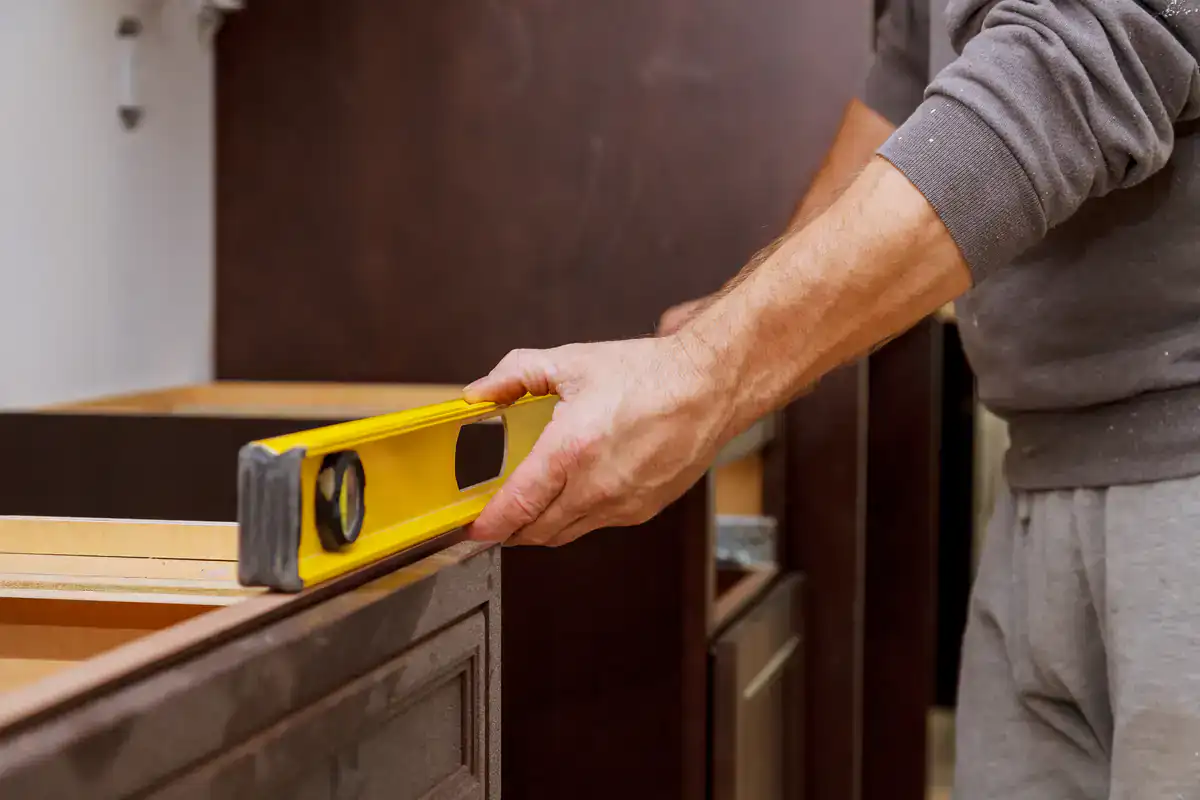
Custom Kitchen Cabinetry in Farmingville, NY
A Kitchen Built Around How You Actually Live
Most Farmingville homes were built between the 1950s and the 1980s a time when kitchens were smaller, appliances were simpler, and storage was an afterthought. If your kitchen still reflects that era, you already know the frustration: awkward corners, filler strips covering gaps where the cabinets didn’t quite reach, drawers that stick, and a layout that fights you every time you cook.
Custom kitchen cabinetry fixes all of that at the source, because the cabinets are manufactured to match your kitchen’s exact dimensions rather than forcing your kitchen to accommodate a standard size.
There’s also the Long Island climate to consider. Farmingville sits on the Ronkonkoma Moraine elevated, exposed, and subject to the full swing of Long Island’s seasons. Heated dry winters followed by humid summers put real stress on lower-quality cabinet materials. Particleboard boxes swell, warp, and delaminate over time when humidity cycles repeatedly through them. Cabinets built with plywood box construction handle that stress significantly better, and that’s the kind of construction that belongs in a premium custom build not the kind you’ll find in a box store.
With Farmingville’s median home sale price reaching $675,000 up more than 23% in a single year your kitchen isn’t just the room you cook in. It’s the room that most directly shapes how buyers and appraisers see your home. A kitchen that fits, functions well, and is built to last is one of the highest-return investments you can make in a market moving this fast.
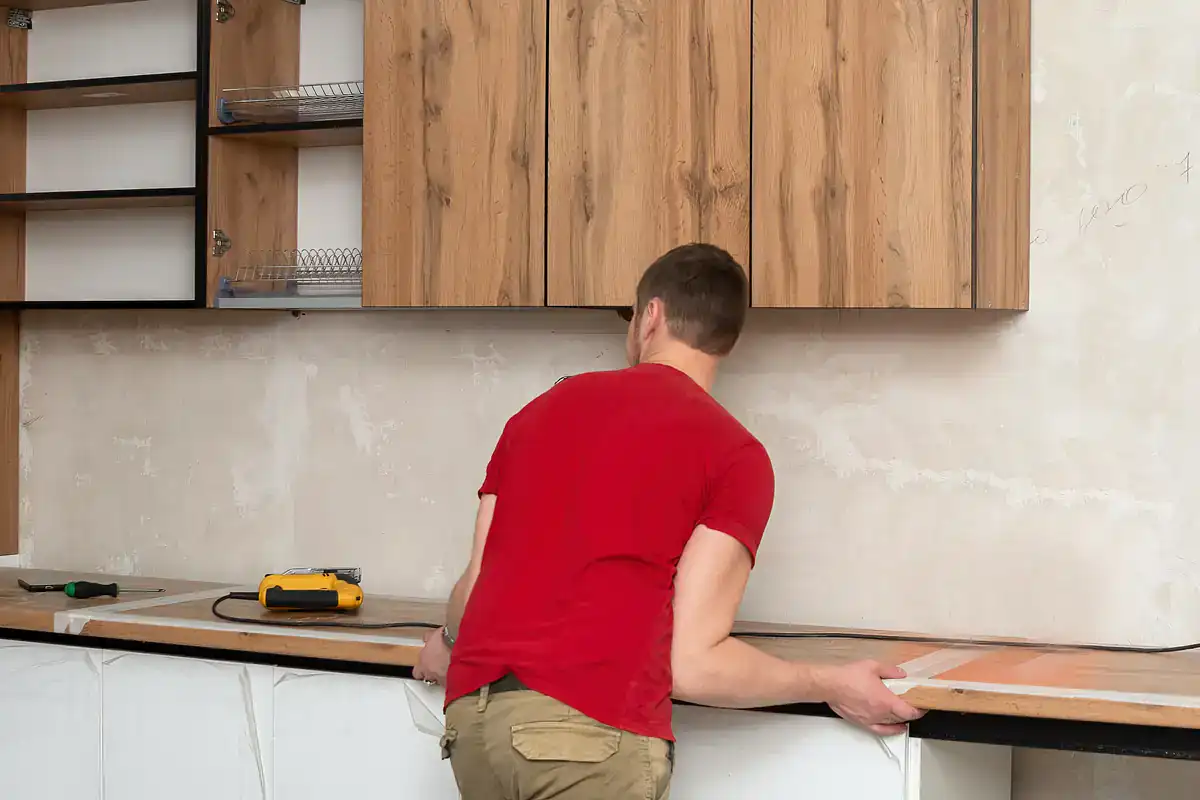
Custom Kitchen Cabinet Company in Farmingville, NY
We Build the Cabinets We Don't Just Install Them
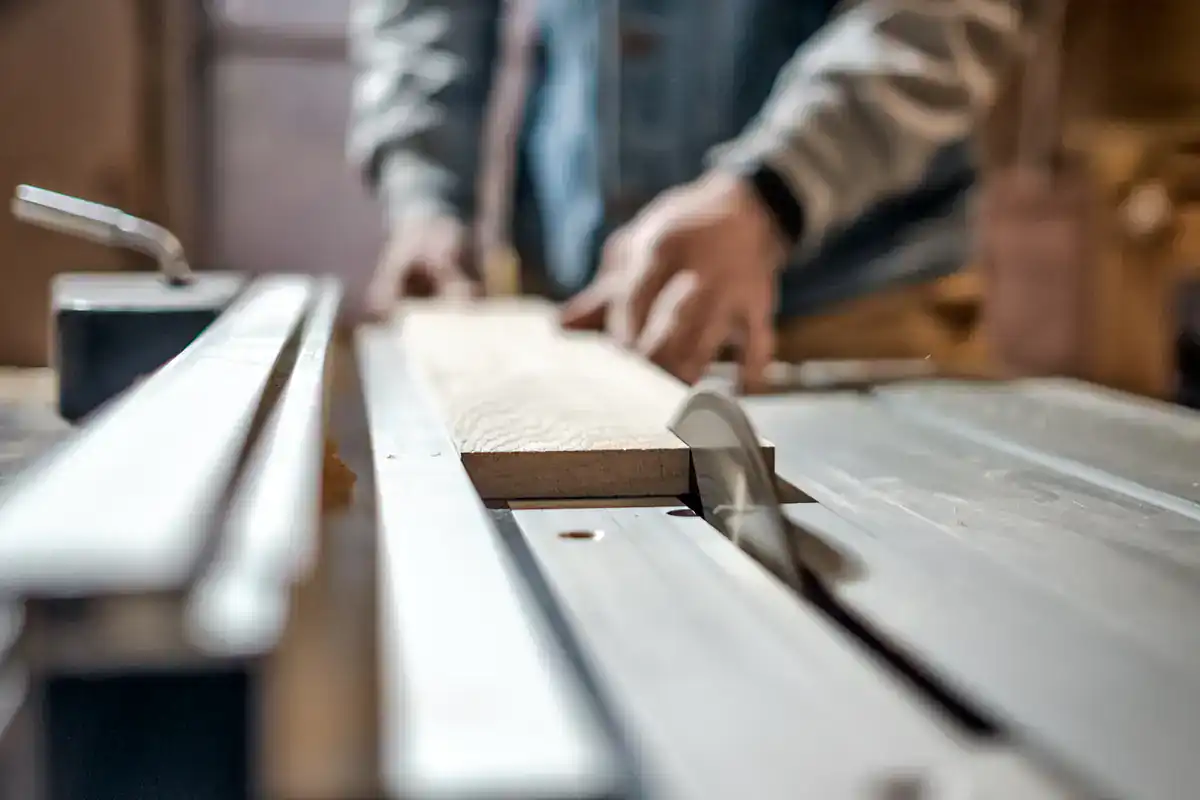
We are a premium custom cabinetry manufacturer based in the New York metropolitan area, reachable from Farmingville via a straight shot on the Long Island Expressway. The distinction between a manufacturer and a retailer matters more than most people realize. When you work with a company that manufactures in-house, there’s no third-party production line, no batch inconsistencies from a distant warehouse, and no pointing fingers if something isn’t right. The people who designed your cabinets are the same people who built them.
We manufacture high-end, bespoke cabinets for kitchens, bathrooms, closets, and other custom spaces which means if you’re updating more than just the kitchen, you’re working with one accountable party across the entire project. For homeowners in Farmingville’s established single-family neighborhoods, that kind of continuity matters. You’re not managing multiple contractors or hoping finishes match across rooms. You get consistent quality, consistent communication, and one company that owns the outcome from design to installation.
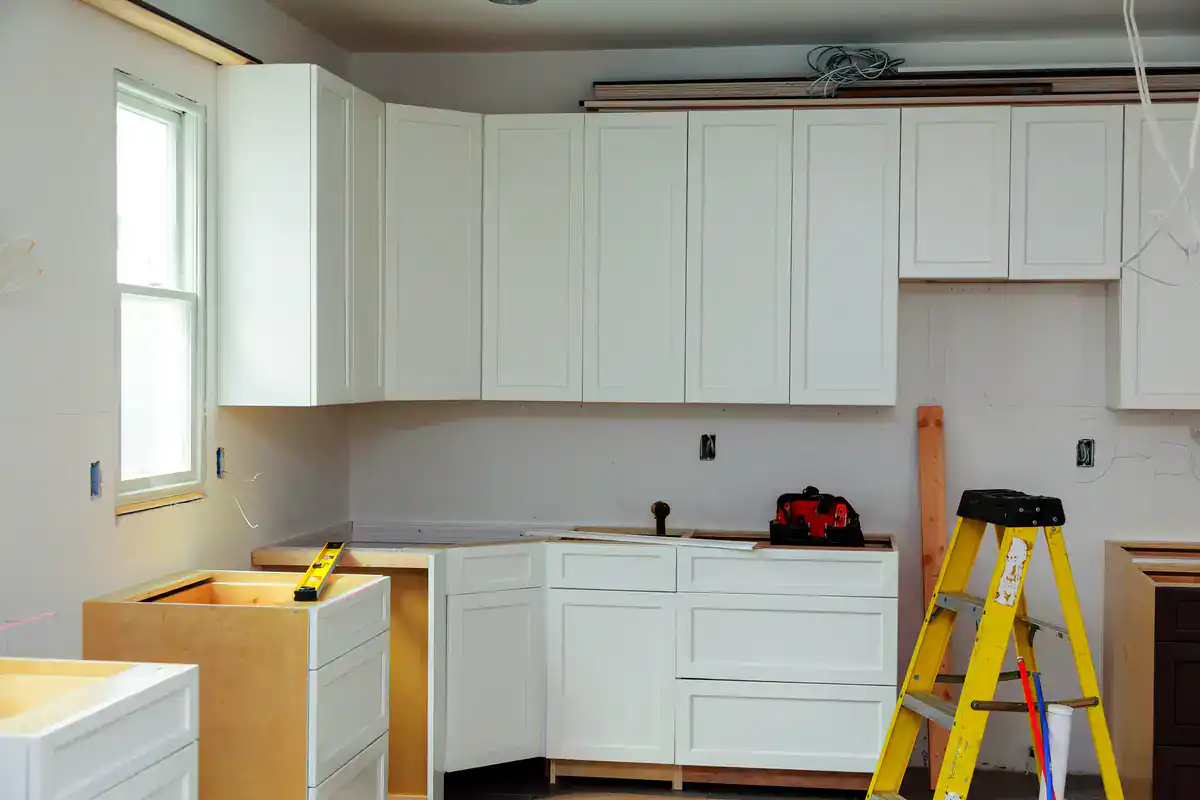
Custom Kitchen Cabinet Installation in Farmingville, NY
From Your Farmingville Kitchen's Dimensions to the Finished Build
It starts with a design consultation. This isn’t a sales pitch it’s a working conversation about how your kitchen actually functions, what’s frustrating about it now, how your household uses the space, and what you want it to do better. You don’t need to walk in with a vision board or a Pinterest folder. That’s what the consultation is for.
From there, your kitchen gets measured precisely. Every wall, every angle, every appliance cutout, every ceiling height all of it gets accounted for before a single cabinet is built. This step is where custom kitchen cabinet installation earns its value over stock options. In a post-war Farmingville home where dimensions rarely match modern standard sizes, precise measurement isn’t a formality. It’s the difference between cabinets that fit and cabinets that require filler strips and workarounds.
Once the design is approved, manufacturing begins. The typical lead time for custom cabinetry runs six to twelve weeks from design approval that’s the time it takes to build something made specifically for your kitchen, not a delay. If you’re planning a kitchen remodel in Farmingville, starting the conversation in January or February puts you on track for a spring or early summer installation, well before the holiday entertaining season.
It’s worth noting that straightforward cabinet replacement in an existing kitchen layout generally doesn’t require a building permit through the Town of Brookhaven though any work involving plumbing relocation or structural changes would. A good contractor will walk you through what applies to your specific project.
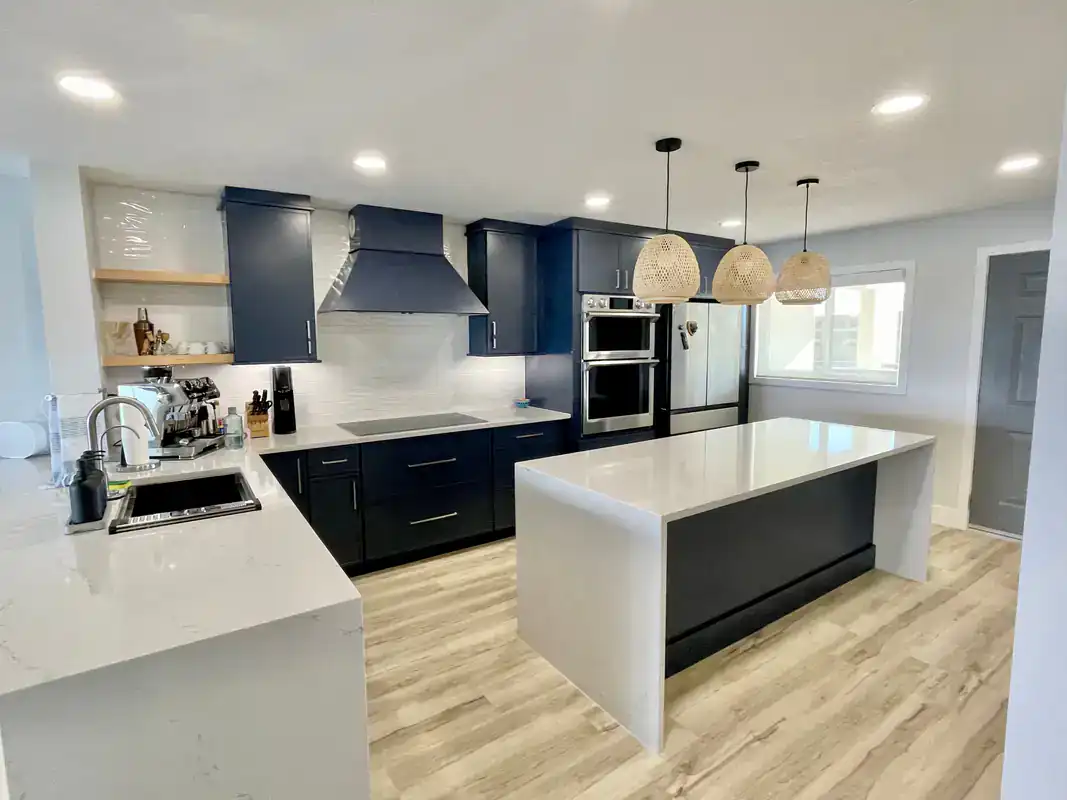
Luxury Custom Kitchen Cabinets in Farmingville, NY
Every Cabinet Built to a Standard Worth Living With
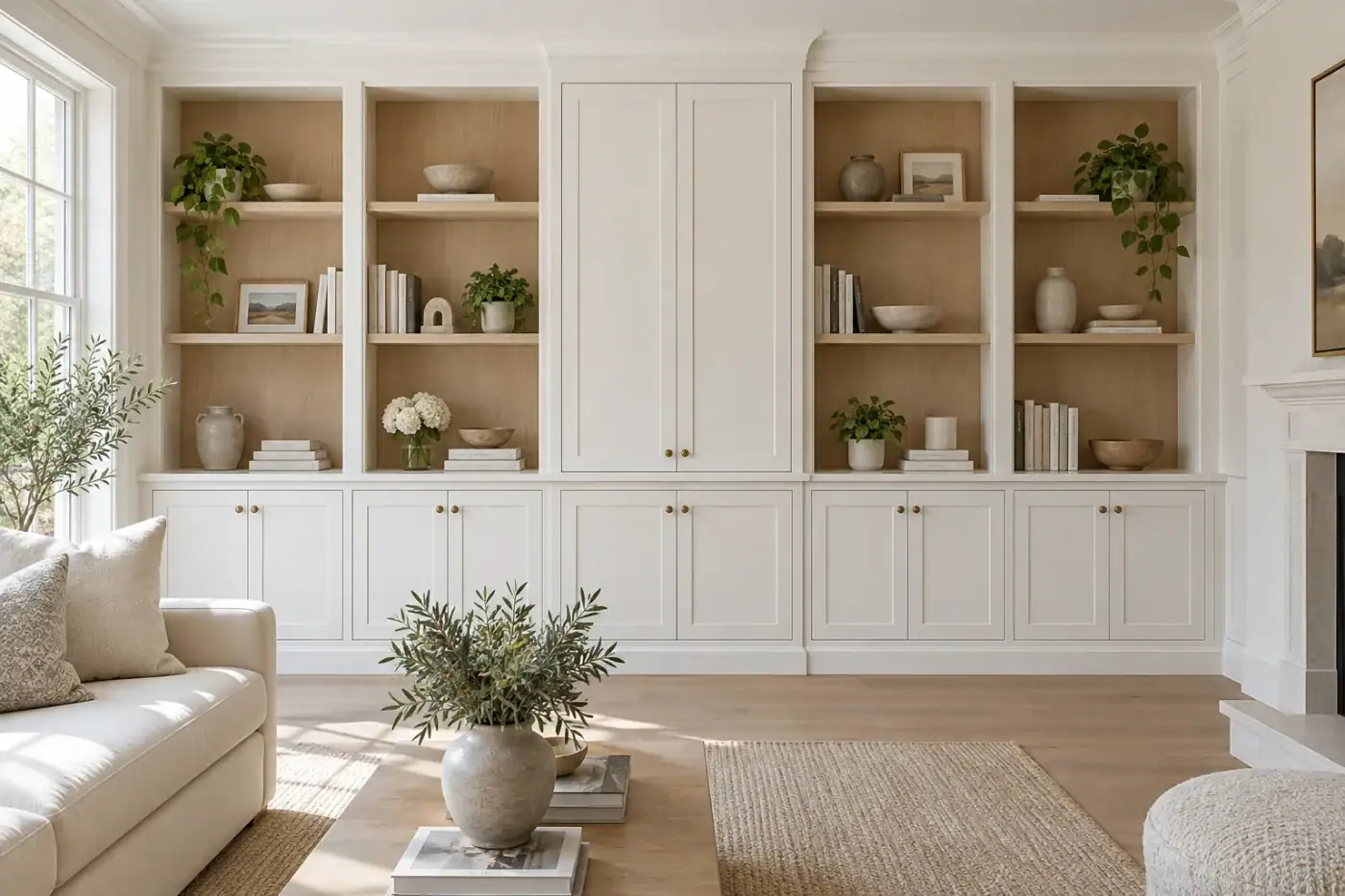
The construction details are where custom kitchen cabinetry separates itself from everything else on the market. Plywood box construction instead of particleboard. Solid hardwood door frames. Dovetail drawer joinery. Full-extension drawer glides. Soft-close hinges and hardware that hold their alignment after years of daily use. These aren’t upgrades you add on they’re the baseline of what a premium cabinet should be. And because we manufacture in-house, these standards are controlled directly, not delegated to a supplier.
For Farmingville homeowners, our service extends beyond just kitchen cabinets. If your bathroom vanity is original to a 1970s build, or your closet storage has never worked the way you need it to, the same bespoke manufacturing process applies. Custom cabinets for kitchen remodel projects are the most common request, but our capability covers every cabinetry need in the home and the materials, finishes, and construction quality remain consistent across all of it.
The design process also addresses the 2025 shift happening in Long Island kitchens right now. Natural wood finishes have overtaken painted white cabinets for the first time in nearly a decade, and integrated appliances behind matching cabinet panels are becoming the premium standard a capability that simply isn’t possible with stock or semi-custom options. If you want a kitchen that reflects where design is actually going, custom kitchen cabinetry in Farmingville is the only path that gets you there.
Questions from Farmingville
A few things you may be wondering
Do I need a permit to replace kitchen cabinets in Farmingville, NY?
For a straightforward cabinet replacement removing existing cabinets and installing new ones in the same positions without moving plumbing, electrical, or walls you generally do not need a building permit in Farmingville. The Town of Brookhaven Building Division, which is headquartered at One Independence Hill in Farmingville, administers permits under New York State’s Uniform Fire Prevention and Building Code. Cabinet replacement alone typically falls below the threshold that triggers a permit requirement.
That said, if your kitchen remodel involves relocating the sink, adding circuits, or any structural changes, a permit is required and should be pulled before work begins. A contractor who is properly licensed and insured in New York State will know exactly what your specific project requires and will tell you upfront not after the work is done. If you’re unsure what your project involves, that’s a good question to ask during the initial consultation before anything is committed to.
What is the difference between custom, semi-custom, and stock kitchen cabinets?
Stock cabinets are manufactured in fixed standard sizes and shipped from a warehouse. They’re the fastest and cheapest option, but they come with real limitations: they only come in set width increments, they’re typically built with particleboard boxes, and they require filler strips to cover gaps in kitchens that don’t match their standard dimensions. For a primary residence particularly a post-war Farmingville home where kitchen dimensions often don’t align with modern standard sizes stock cabinets are a compromise that tends to show.
Semi-custom cabinets offer more finish and size options than stock, but they still come with constraints. You’re choosing from a manufacturer’s existing configurations, and the sizing flexibility is limited. Custom cabinets are built from scratch to your kitchen’s exact measurements, with no standard sizes to conform to. You specify the layout, the materials, the finishes, and the hardware and the cabinets are manufactured to match. For kitchens in homes built between the 1950s and 1980s, where non-standard dimensions are common, custom is often the only option that truly works.
How long does it take to get custom kitchen cabinets made and installed?
The realistic timeline for custom kitchen cabinets runs from six to twelve weeks between design approval and installation. That window reflects the actual manufacturing process your cabinets are being built to your kitchen’s specific dimensions, not pulled from existing inventory. It’s not a delay; it’s what separates a cabinet made for your kitchen from one made for a warehouse shelf.
For Farmingville homeowners, the practical implication is that timing matters. If you want new cabinets installed before summer entertaining season or before the holidays, you need to start the design consultation process several months in advance. January and February are strong months to begin you’ll be in production through late winter and ready for installation by spring. The installation itself, once the cabinets arrive, typically moves quickly. The longer part of the timeline is always the manufacturing phase, not the installation day.
Are custom kitchen cabinets actually worth the higher cost compared to semi-custom?
The honest answer depends on your kitchen and how long you plan to stay in the home. If your kitchen has a non-standard layout which is common in Farmingville’s post-war housing stock semi-custom options will require workarounds that cost money and still don’t solve the underlying fit problem. Filler strips, modified panels, and cabinets that don’t reach the ceiling or fully utilize corner space are the visible signs of a cabinet that wasn’t built for your kitchen.
From a financial standpoint, minor kitchen remodels return an average of 96% on investment nationally, and the kitchen is consistently the room that most directly influences buyer perception and home value. In a market where Farmingville homes are selling at a median of $675,000 and rising, protecting and enhancing that value through a kitchen that’s built to last makes a clear case for the upfront investment. Custom cabinets built with plywood box construction and quality hardware also outlast stock and semi-custom options by years sometimes decades which changes the math considerably when you factor in longevity.
What materials and construction methods should I look for in custom kitchen cabinets?
The two most important construction details to ask about are the box material and the drawer construction. Plywood box construction is the standard for quality custom cabinetry it handles humidity cycling better than particleboard, holds screws more securely over time, and is significantly more resistant to the swelling and warping that Long Island’s seasonal humidity swings can cause in lower-grade materials. Dovetail drawer joinery is the other key marker: it’s a mechanical joint that holds under repeated stress, unlike stapled or glued drawer boxes that can fail over years of daily use.
Beyond the structural components, soft-close hinges and full-extension drawer glides are worth asking about specifically. These are the hardware details you interact with every single day, and the difference between quality hardware and budget hardware becomes apparent within a few years of regular use. Solid hardwood door frames, consistent finish application across all cabinet lots, and hardware from reputable manufacturers round out what a premium custom build should include. When you’re evaluating any custom kitchen cabinet company, asking these specific questions will tell you quickly whether they’re building to a real standard or just using the word “custom” as a marketing label.
Can custom kitchen cabinets be designed for bathrooms and closets too, not just kitchens?
Yes and for Farmingville homeowners updating a home that was built decades ago, this is often where the value compounds. A 1960s or 1970s bathroom vanity is rarely built to modern storage standards, and original closet configurations from that era typically weren’t designed for the way people actually use storage today. Having the same manufacturer handle kitchen cabinets, bathroom cabinetry, and closet systems means consistent materials, consistent finishes, and consistent construction quality across every room in the project.
We manufacture bespoke cabinetry for kitchens, bathrooms, closets, and unique home spaces all under the same in-house production process. That matters practically because finish consistency across rooms is genuinely difficult to achieve when you’re sourcing from multiple suppliers. If you’re already committing to a kitchen cabinet design, it’s worth having the conversation about what else in the home could benefit from the same approach. The design consultation covers all of it, and the result is a home where the cabinetry feels like it belongs together because it was built that way.
More ways we can help
Other services in Farmingville